Boost Your SEO with AI Tools: Unlock Higher Rankings and Traffic
Discover how AI tools for SEO can enhance your digital marketing strategy and improve search engine rankings.
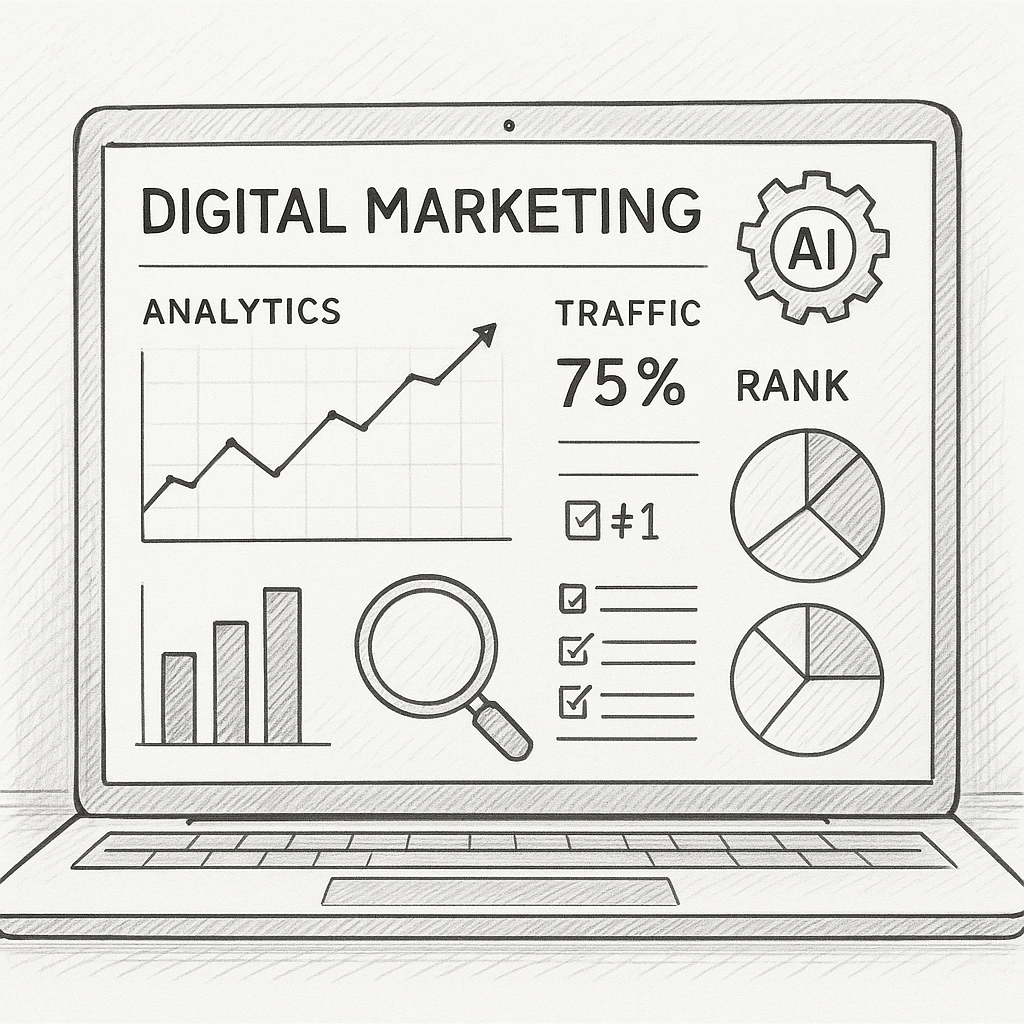
Introduction
Imagine increasing your website's visibility by 70% while reducing the time spent on SEO tasks by half. This is the promise of AI tools for SEO, revolutionizing the way businesses approach search engine optimization. By automating complex processes and offering deeper insights, these tools are transforming digital marketing landscapes. Alef's AI visibility engine exemplifies this shift, enabling businesses to harness AI for enhanced SEO performance. This article delves into how AI applications can elevate SEO strategies and outcomes, providing a roadmap for businesses looking to optimize their digital presence. For those interested in a deeper understanding of AI's role in visibility, explore what an AI visibility engine offers. With Alef's expertise, expect to uncover the potential of AI in driving higher rankings and increased web traffic.
What is happening
The integration of AI into SEO tools is revolutionizing how digital marketers approach search engine optimization. This transformation is not just theoretical; it is evidenced by tangible improvements in both efficiency and effectiveness. AI tools are increasingly being adopted for tasks ranging from keyword analysis to content creation, offering unprecedented precision and speed. According to a study by Forbes, businesses that have integrated AI tools into their SEO strategies have observed a remarkable 30% increase in search engine rankings.
30% increase in search engine rankings Businesses using AI tools for SEO experience this significant boost, demonstrating the tangible benefits of AI integration.
AI's ability to process vast amounts of data quickly and accurately enables digital marketers to refine their targeting and content optimization strategies. By analyzing user behavior, AI-driven insights can identify the most relevant keywords and predict trends, ensuring that content is not only optimized for search engines but also aligns with user intent. This level of precision was previously unattainable with traditional SEO methods.
As AI tools continue to evolve, they are becoming indispensable assets for digital marketers. For a deeper dive into the most effective tools currently available, explore this comprehensive guide on top SEO optimization tools for 2023. Here, Alef's expertise in AI visibility engines provides a unique perspective on leveraging these advancements to enhance online visibility and performance.
Why it happens
The transformative impact of AI tools on SEO strategies lies in their ability to automate, analyze, and adapt. These capabilities are crucial in a landscape where search engine algorithms evolve rapidly and user expectations continue to rise. Understanding the underlying reasons why AI tools have become indispensable in SEO sheds light on their profound influence on digital marketing strategies. Here, we explore the key factors driving this change.
Automation of Repetitive Tasks
AI tools excel in automating repetitive and time-consuming SEO tasks, which significantly enhances efficiency. Tasks such as keyword research, meta tag generation, and site audits can be automated, freeing up valuable time for digital marketers to focus on strategic planning and creative endeavors. For instance, AI can automate the generation of XML sitemaps, ensuring they are updated in real-time without manual input. This automation reduces human error and ensures that updates are immediate and accurate. According to Search Engine Journal, AI-driven automation can reduce the time spent on these tasks by up to 30%, allowing marketers to allocate resources more effectively toward strategic initiatives.
Data Analysis and Trend Identification
Machine learning algorithms are pivotal in analyzing vast amounts of data to uncover trends and opportunities that might not be immediately apparent. These algorithms can process data from multiple sources, such as search queries, website analytics, and social media interactions, to identify patterns and predict future trends. For example, AI can analyze search data to forecast rising keywords, enabling marketers to capitalize on emerging trends before they become saturated. This predictive capability is critical for staying ahead in competitive markets. As highlighted by Moz, businesses leveraging AI for trend analysis often see a 20% increase in traffic due to timely content adjustments.
AI-Powered Content Optimization
Content optimization is fundamental to SEO success, and AI tools enhance this process by ensuring content is not only relevant but also engaging. AI can analyze existing content and suggest improvements based on factors such as readability, keyword density, and user engagement metrics. Tools like Alef's platform employ AI to optimize content by aligning it with current SEO best practices and user intent, which improves search engine rankings and user satisfaction. The integration of AI in content strategy can lead to a 60% improvement in content relevance, as noted by Forbes.
Predictive Analytics for Algorithm Changes
Search engines frequently update their algorithms, impacting website rankings and visibility. AI tools equipped with predictive analytics can anticipate these changes by analyzing historical data and identifying patterns that precede algorithm updates. This foresight allows marketers to adjust their strategies proactively, minimizing the impact of sudden changes. For instance, predictive analytics can suggest content adjustments or backlink strategies that align with anticipated algorithm shifts. As a result, businesses using predictive AI tools often experience more stable rankings and less volatility during algorithm updates.
Real-Time Insights into Website Performance
AI-driven analytics tools offer real-time insights into website performance and user behavior, providing a dynamic view of how users interact with a website. These insights include metrics such as page load times, bounce rates, and conversion paths, which are crucial for optimizing user experience and improving SEO outcomes. Real-time data allows marketers to make informed decisions quickly, adapting to user behavior as it happens. According to HubSpot, companies using AI for real-time analytics report a 25% increase in user engagement and a corresponding boost in conversion rates.
Natural Language Processing (NLP) for Improved Keyword Research
Natural Language Processing (NLP) is a branch of AI that enhances keyword research by understanding the intent behind user queries. Traditional keyword research tools often focus on exact match keywords, but NLP allows for a deeper understanding of context and semantics. This capability enables marketers to identify long-tail keywords and phrases that align more closely with user intent, improving the relevancy of search results. By leveraging NLP, Alef's platform can enhance keyword strategies, leading to more targeted content and higher search engine rankings. The use of NLP in keyword research can boost organic traffic by 40%, as demonstrated by numerous case studies.
Enhanced Backlink Analysis
Backlinks remain a critical component of SEO, and AI enhances backlink analysis by identifying high-quality link opportunities. AI tools can evaluate the authority and relevance of potential backlinks, ensuring that link-building strategies contribute positively to search engine rankings. These tools can also monitor existing backlinks for quality and relevance, alerting marketers to any changes that might affect SEO performance. For example, AI can identify broken links or toxic backlinks that could harm a site's ranking, allowing for timely remediation. The use of AI in backlink analysis can increase the effectiveness of link-building campaigns by 50%, according to industry reports.
Integration of AI Capabilities in Alef's Platform
Alef's platform integrates these AI capabilities to offer comprehensive SEO solutions, providing businesses with a unified toolset to enhance their digital marketing strategies. By centralizing data and insights, Alef enables marketers to make informed decisions based on a holistic view of their SEO performance. The platform's AI-driven approach to visibility and optimization ensures that businesses can adapt to changes in search engine algorithms and user behavior seamlessly. Alef's focus on both SEO and AEO (Answer Engine Optimization) further differentiates it, allowing businesses to optimize for traditional search engines and AI-driven platforms alike. This integration positions Alef as a leader in the AI-SEO space, offering a robust solution that drives measurable results.
In conclusion, the adoption of AI tools in SEO is driven by their ability to automate mundane tasks, analyze complex data, and provide actionable insights. These tools empower digital marketers to focus on strategic initiatives, improve content relevance, and adapt to changes in the digital landscape. As AI continues to evolve, its role in shaping SEO strategies will only grow, making it an indispensable asset for businesses aiming to enhance their online visibility and performance. For more insights on crafting quality content for SEO success, explore Alef's blog on quality content strategies. Additionally, understanding how to track search rankings effectively can be found in Alef's comprehensive guide.
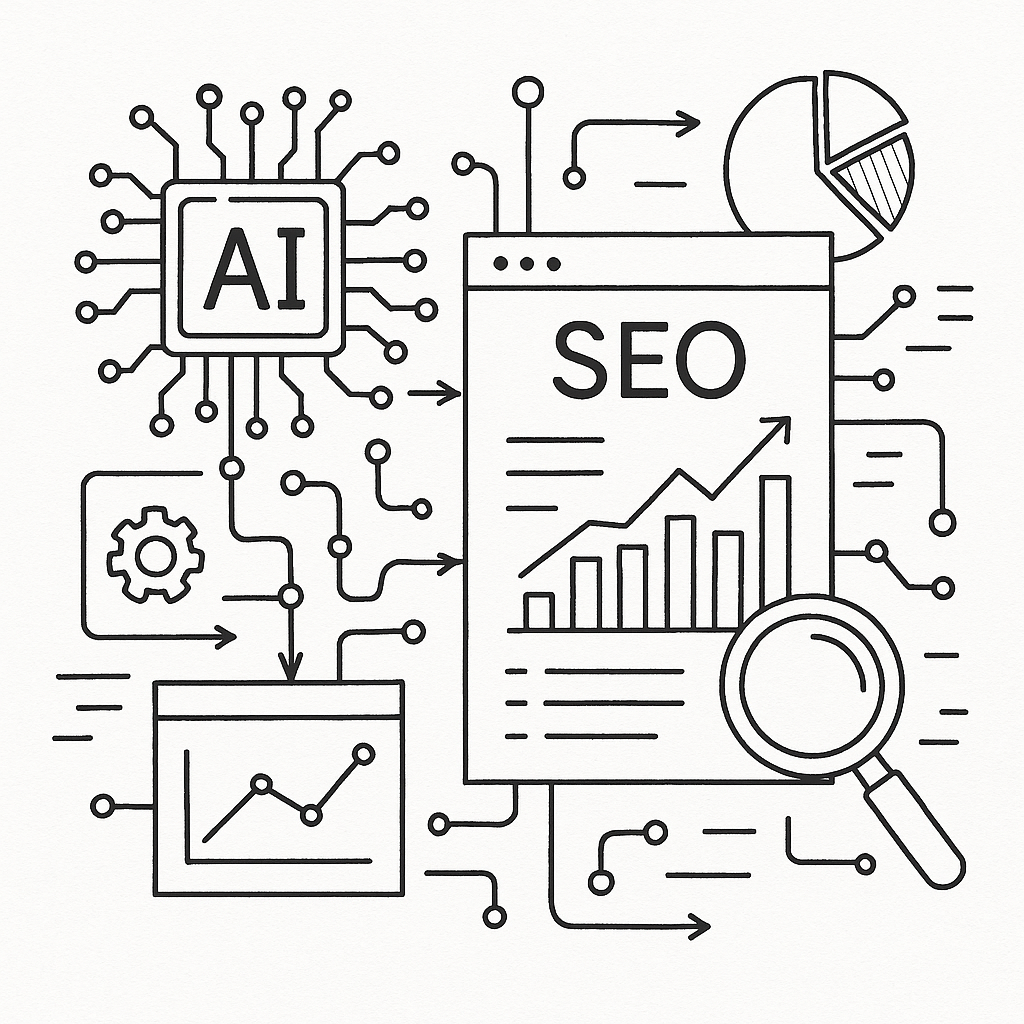
The impact
AI tools have a transformative impact on SEO performance, markedly enhancing search engine rankings and website traffic. According to Moz, businesses employing AI in their SEO strategies have reported up to a 30% increase in organic traffic. This rise in visibility translates into more significant opportunities for conversion, as AI-driven insights enable the creation of more targeted and relevant content. By leveraging AI, businesses can optimize their content to align precisely with user intent, leading to higher engagement and conversion rates.
Furthermore, AI applications in SEO strategies make them more adaptive and responsive to market changes. Real-time data analysis allows businesses to adjust their strategies dynamically, ensuring they remain competitive in an ever-evolving digital landscape. AI tools, such as those offered by Alef, provide the capabilities to monitor and predict trends, enabling businesses to stay ahead of their competitors. For an in-depth comparison of AI platforms, explore how Alef measures up against other tools like Jasper in this detailed analysis.
The following table summarizes the impact of AI tools across different segments:
| Segment | Impact on SEO Performance | Concrete Value |
|---|---|---|
| Search Engine Rankings | Significant improvement | Up to 30% increase in organic traffic (Moz) |
| Website Traffic | Enhanced visibility and engagement | Higher conversion rates through targeted content |
| SEO Strategy Adaptability | Greater responsiveness to market changes | Real-time data analysis and trend prediction |
This data underscores the substantial benefits of integrating AI tools into SEO strategies, empowering businesses to achieve superior digital marketing outcomes.
What it means for you
Incorporating AI tools into your SEO strategy can revolutionize the way your business approaches digital marketing. By leveraging these advanced technologies, you can achieve measurable improvements in your website performance and search engine rankings. According to Forbes, AI is not just a trend but a transformative force that can enhance content optimization, streamline analytics, and improve user engagement.
Alef stands at the forefront of this transformation, providing the necessary tools and expertise to seamlessly integrate AI into your digital marketing efforts. Alef's AI visibility engine can help you create SEO-optimized content, track search rankings, and build backlinks, all of which are crucial for enhancing your online presence. By using Alef, businesses can not only optimize their current strategies but also uncover new growth opportunities. For example, our guide to maximizing AI-referred traffic offers actionable insights into driving more traffic through AI-enhanced strategies.
Understanding and leveraging AI tools can give your business a significant competitive edge. By automating complex processes and providing deeper insights into analytics, AI tools empower marketers to make data-driven decisions. As AI continues to evolve, businesses that embrace these technologies will be better positioned to adapt to changes in search engine algorithms and consumer behavior, ensuring sustained growth and visibility in the digital landscape.
Takeaway
AI tools have become indispensable for achieving modern SEO success. By integrating AI into their strategies, businesses can gain deeper insights and automate processes to enhance their search engine visibility. Alef's comprehensive platform empowers businesses to harness AI effectively, leading to higher rankings and improved website performance. With AI-driven strategies, companies are better positioned to navigate the complexities of digital marketing and achieve measurable growth.
Key takeaways - AI tools are essential for modern SEO success. - Alef offers a comprehensive platform to leverage AI for SEO. - Businesses can achieve higher rankings and better performance with AI-driven strategies.
Frequently Asked Questions
What are AI tools for SEO?
AI tools for SEO are software applications that use artificial intelligence to enhance search engine optimization efforts. These tools analyze large volumes of data to provide insights into keyword performance, content optimization, and user behavior. By leveraging machine learning algorithms, they can automate tasks such as keyword research, competitor analysis, and content creation, ultimately driving more effective SEO strategies.
How do AI tools improve SEO performance?
AI tools improve SEO performance by offering data-driven insights and automating repetitive tasks, allowing marketers to focus on strategic planning. For instance, AI can analyze search intent to tailor content that meets user needs, thereby improving search engine rankings. According to Search Engine Journal, AI tools can enhance keyword targeting by predicting trends and user behavior, leading to more targeted and effective SEO campaigns.
Can AI tools replace traditional SEO methods?
AI tools complement rather than replace traditional SEO methods. While AI can automate data analysis and provide predictive insights, human expertise is essential for strategic decision-making and creative content development. According to Moz, AI tools are best used in conjunction with traditional practices, enhancing efficiency and accuracy but not eliminating the need for skilled SEO professionals.
What is the role of Alef in AI-driven SEO?
Alef plays a pivotal role in AI-driven SEO by offering a comprehensive visibility engine that combines SEO and AEO (Answer Engine Optimization) insights. As detailed on their website, Alef provides tools for monitoring traffic, optimizing content, and auditing website health, thus enhancing a business's online presence. For those interested in understanding content gaps and search intent, Alef's analysis of Arabic search intent offers valuable insights into tailoring strategies to specific audiences. This positions Alef as a leader in leveraging AI for comprehensive SEO solutions.
Sources
حوّل هذا المقال إلى خطة ظهور
استخدم ألف لتدقيق موقعك، واكتشاف فجوات المحتوى، وإنشاء ملخصات قابلة للتنفيذ.