How AI and GEO Will Transform the Future of SEO by 2026
Discover how AI and GEO are reshaping the future of SEO in 2026, enhancing visibility and search strategies.
Introduction
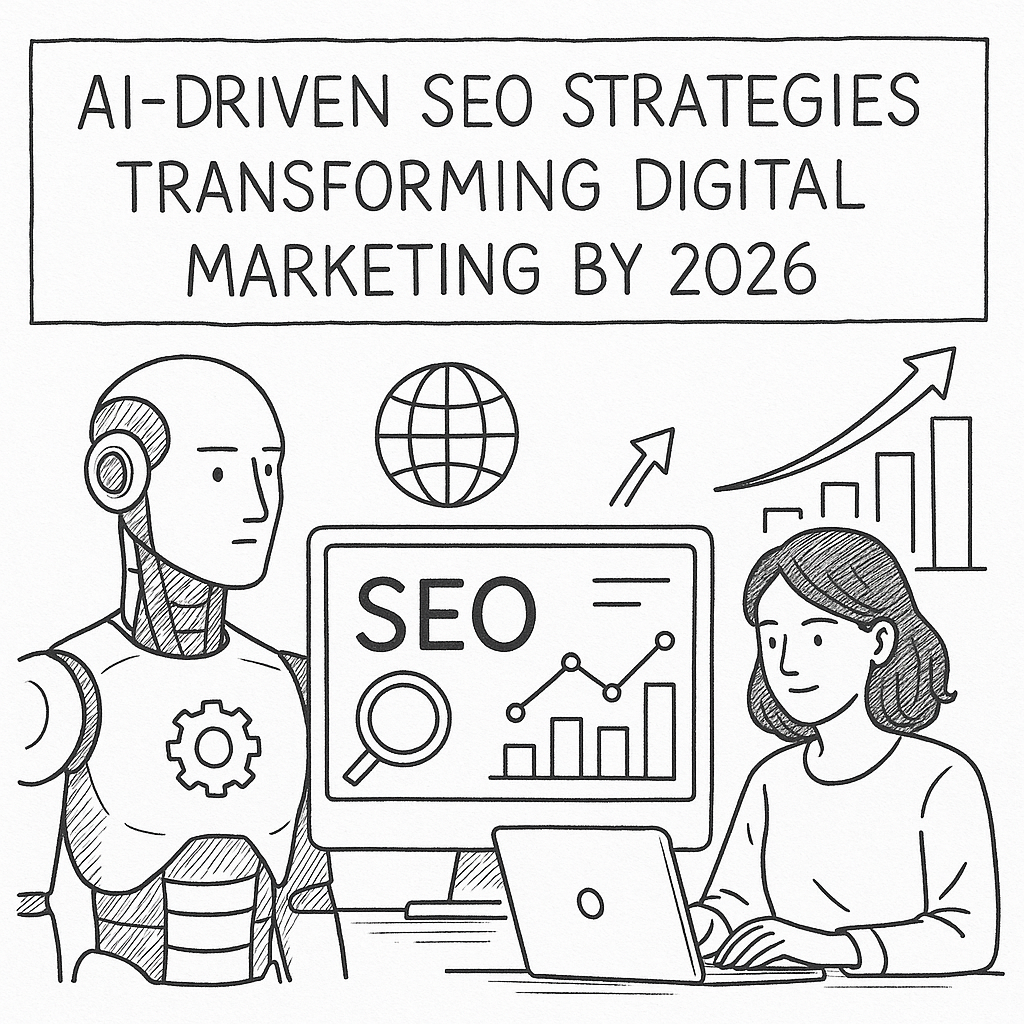
Imagine a world where AI technology not only complements but fundamentally transforms the future of SEO by 2026. AI and Generative Engine Optimization (GEO) promise to shift the focus from traditional keyword-based strategies to AI-driven methods that enhance search visibility and engagement. As businesses navigate this paradigm shift, Alef stands at the forefront, offering its AI visibility engine to help brands seamlessly adapt to these changes. The integration of AI into SEO is not merely an evolution; it's a necessity in maintaining competitive search visibility. For an in-depth exploration of how Alef's innovations are shaping this landscape, visit their blog on AI innovations in SEO. With AI's influence expanding, those prepared to embrace these advancements will lead the digital frontier.
What is happening
The landscape of SEO is undergoing a transformative shift as it evolves into a dual strategy that incorporates both traditional methods and AI-driven approaches. This evolution is largely driven by the emergence of Generative Engine Optimization (GEO), which is becoming a pivotal focus for AI-powered search engines. GEO is not merely an extension of traditional SEO but a fundamental change that leverages AI to optimize content for generative engines like ChatGPT and Perplexity, thereby enhancing search visibility in ways previously unimagined.
A significant factor in this transformation is the rise of AI Overviews and zero-click results. These elements are reshaping how users interact with search engines, often providing answers directly on the search page. As a result, click-through rates are being impacted, forcing businesses to adapt their strategies to maintain visibility and engagement. This shift underscores the importance of understanding and integrating AI technologies into SEO practices.
The growing reliance on AI in SEO is mirrored by industry trends. According to a Clutch survey, 87% of content marketers plan to increase budgets in 2026, highlighting the growing importance of AI in SEO.
For businesses aiming to stay ahead, embracing AI visibility engines is crucial. Alef's expertise in this domain positions it as a leader, offering insights and tools that can significantly boost brand reach through AI visibility engines by 2026. As SEO continues to evolve, those who integrate these new methodologies will likely see substantial benefits in their search visibility and overall digital presence.
Why it Happens
The transformation of SEO strategies as we approach 2026 is driven by a confluence of technological advances and market dynamics. At the forefront of this evolution are AI technology and Generative Engine Optimization (GEO), both of which are reshaping how businesses approach search visibility. This section delves into the underlying causes of these changes, providing insights into why these shifts are occurring and how they are impacting the future of SEO.
AI Technology Enables More Personalized and Efficient Search Experiences
AI technology has revolutionized the way search engines interpret and deliver results. By leveraging machine learning algorithms and natural language processing, AI can understand user intent more accurately and provide highly personalized search experiences. This shift is crucial as users increasingly demand relevant and instantaneous results. AI-driven personalization not only enhances user satisfaction but also increases engagement rates, leading to higher conversion rates. According to a G2 article on SEO statistics, personalized search results can boost click-through rates by up to 30%.
GEO Focuses on Optimizing for AI-Generated Answers
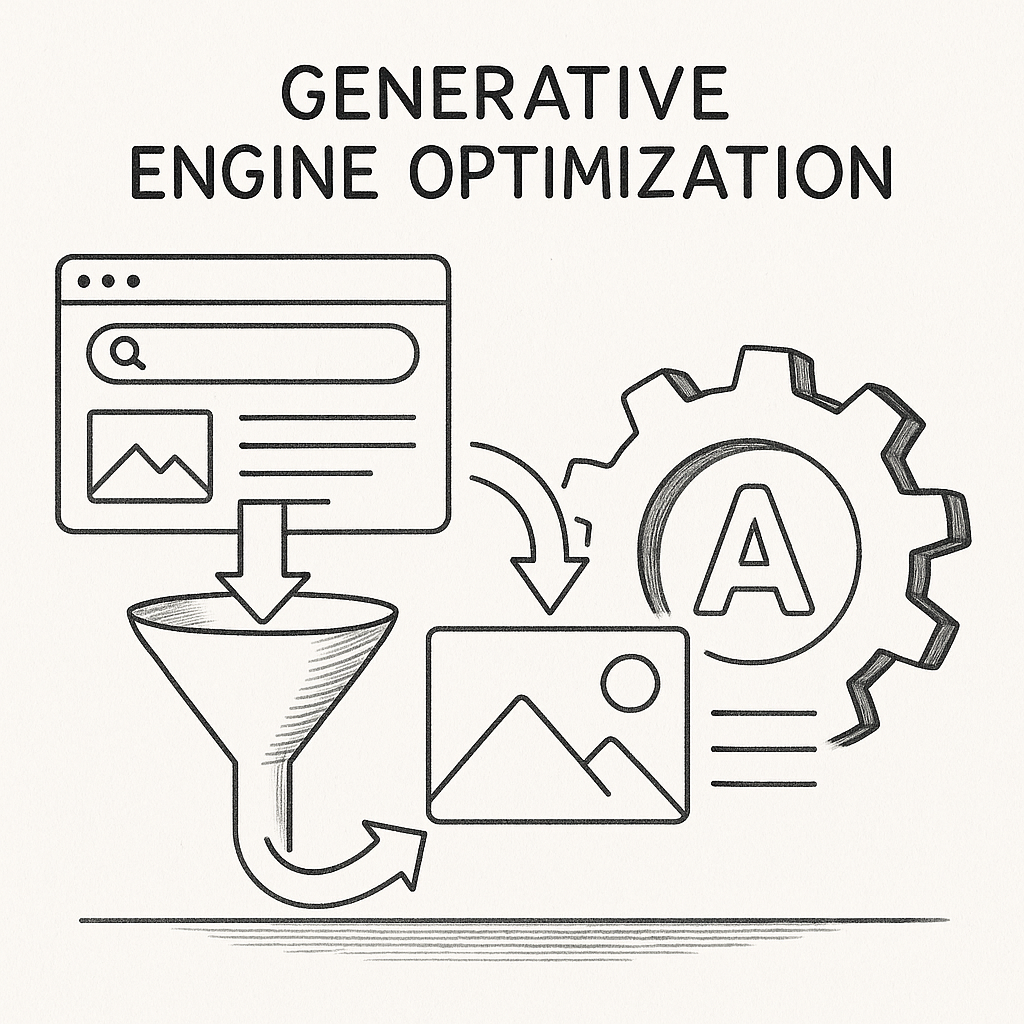
Generative Engine Optimization (GEO) represents a paradigm shift in SEO strategy, where the emphasis is placed on optimizing content for AI-generated answers. As AI systems like ChatGPT and Perplexity become integral to search engines, businesses must adapt their strategies to ensure their content is featured in AI-generated responses. GEO involves structuring data and content in a way that is easily interpretable by AI models, ensuring that businesses maintain visibility in an increasingly AI-driven landscape. This focus on AI-generated answers is not merely a trend but a necessity for transforming SEO strategy with Alef AI.
The Rise of AI Overviews Leads to Reduced Organic Click-Through Rates
AI overviews, which provide users with succinct answers directly on the search results page, are becoming more prevalent. While these overviews enhance user experience by delivering quick information, they also lead to reduced organic click-through rates (CTR) as users find the answers they need without clicking through to websites. This phenomenon, often referred to as "zero-click searches," is significant because it challenges traditional SEO metrics and necessitates a reevaluation of success indicators. A TechRadar article on the future of SEO highlights the importance of adapting to this change.
Content Marketers are Shifting Strategies to Accommodate AI and GEO
The integration of AI and GEO into SEO strategies requires content marketers to rethink their approaches. Traditional keyword-focused strategies are being replaced by more sophisticated techniques that prioritize content quality and structure. Marketers are now focusing on creating comprehensive, well-organized content that answers user queries directly and efficiently. This shift is supported by a Clutch survey on content marketing, which indicates that 67% of marketers are adapting their content strategies to align with AI advancements.
The SEO Market is Projected to Reach $84 Billion by 2026, Driven by AI Adoption
The financial implications of AI adoption in SEO are profound. The SEO market is projected to grow to $84 billion by 2026, fueled by the increasing reliance on AI technologies. This growth is driven by the need for businesses to invest in AI-powered tools and platforms that enhance their search visibility. As companies recognize the importance of AI in maintaining competitive advantage, investments in AI-driven SEO solutions are expected to surge. This projection underscores the critical role of AI in shaping the future of SEO in 2026.
AI-Powered Platforms Like Alef Are Essential for Tracking and Optimizing AI Visibility
To navigate the complexities of AI-driven SEO, businesses require robust platforms that can track and optimize their visibility across both traditional search engines and AI systems. Alef stands out as a leader in this domain, offering an AI visibility engine that empowers businesses to enhance their SEO efforts. By providing tools for monitoring search rankings and optimizing content, Alef ensures that businesses can maintain a strong online presence. This capability is crucial for businesses aiming to boost their SEO with AI tools and capitalize on growth opportunities.
The Shift Towards AI-Driven SEO is Supported by Advancements in Large Language Models
The rapid advancements in large language models, such as GPT-3 and its successors, are a driving force behind the shift towards AI-driven SEO. These models are capable of understanding and generating human-like text, making them invaluable for interpreting search queries and generating relevant responses. As these models continue to evolve, they enhance the ability of AI systems to deliver precise and contextually relevant search results. This advancement is pivotal in supporting the transition to AI-driven SEO strategies, enabling businesses to leverage the full potential of AI technology.
Alef's Tools Help Businesses Optimize Their Content for Both Traditional and AI Search Engines
In the evolving landscape of SEO, it is imperative for businesses to optimize their content for both traditional and AI search engines. Alef's suite of tools is designed to address this need, providing businesses with the resources to enhance their content's visibility across multiple platforms. By utilizing AI-powered insights and optimization strategies, Alef helps businesses ensure that their content is accessible and relevant to both human users and AI systems. This dual optimization approach is essential for businesses seeking to thrive in the competitive digital marketplace.
In conclusion, the transformation of SEO strategies as we approach 2026 is underpinned by the integration of AI technology and GEO. These advancements are reshaping the way businesses approach search visibility, necessitating a shift in strategies to accommodate AI-generated answers and optimize for both traditional and AI search engines. With the SEO market projected to reach $84 billion by 2026, driven by AI adoption, businesses must leverage AI-powered platforms like Alef to maintain a competitive edge. As large language models continue to evolve, the potential for AI-driven SEO to enhance search experiences and drive growth is immense.
The Impact
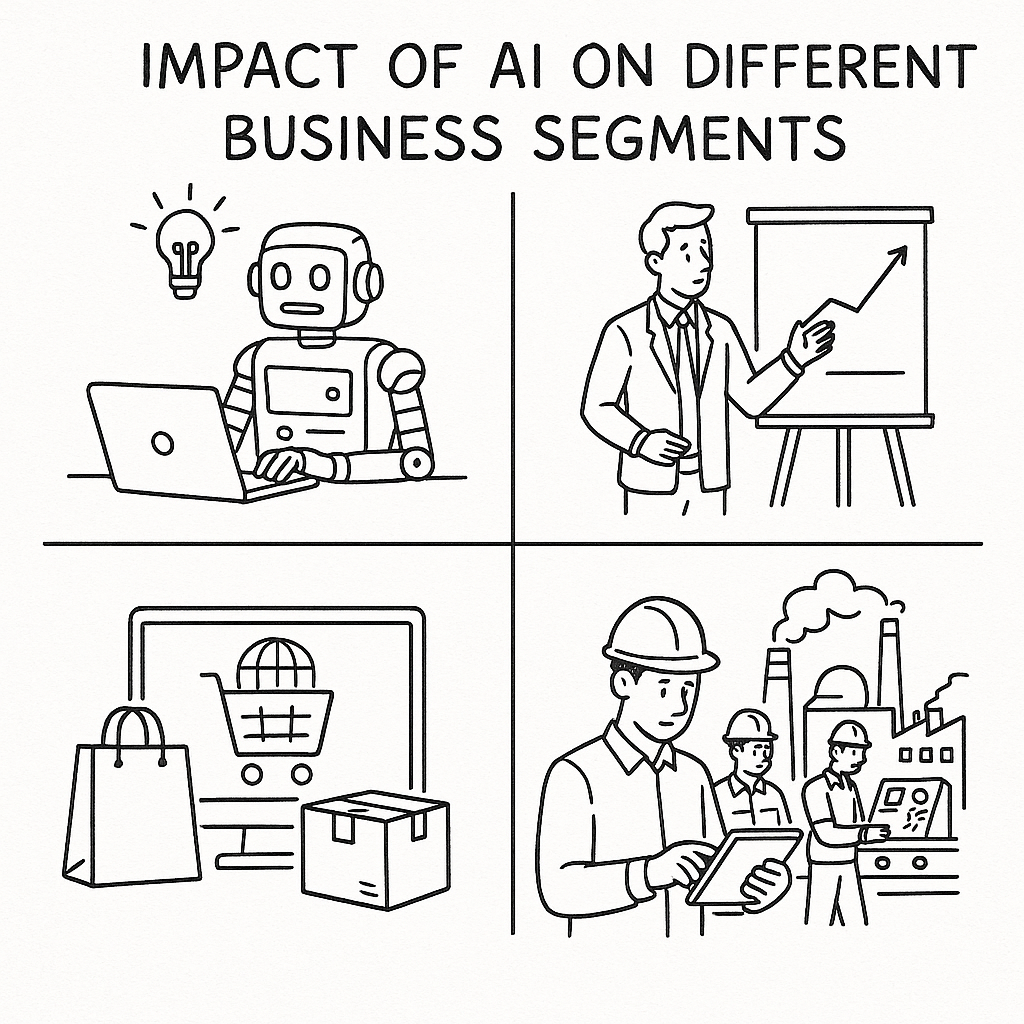
As we approach 2026, the integration of AI and Generative Engine Optimization (GEO) is set to reshape the landscape of SEO, compelling various segments to adapt swiftly to maintain their competitive edge. E-commerce brands, in particular, face the imperative to embrace AI-driven SEO strategies to ensure their visibility remains robust in a crowded marketplace. By leveraging AI, these brands can enhance personalization and engagement, creating more tailored customer experiences that drive conversion rates. For more insights on maximizing e-commerce success, Alef's AI SEO tools offer invaluable guidance.
Direct-to-consumer (DTC) brands stand to gain significantly from AI tools that facilitate improved visibility and customer interaction. These technologies enable DTC brands to fine-tune their marketing efforts, thereby enhancing personalization and fostering deeper customer engagement. This evolution in SEO is not just a trend but a necessity, as consumers increasingly demand personalized experiences.
SEO professionals, meanwhile, must integrate AI strategies into their workflows to remain competitive. The ability to analyze vast datasets, predict trends, and optimize content in real-time is becoming essential. This shift is underscored by the need to stay ahead of evolving SEO trends, as highlighted by the Ahrefs Blog on SEO Trends.
The table below outlines the specific impacts on each segment:
| Segment | Impact |
|---|---|
| E-commerce | Enhanced personalization and engagement through AI |
| DTC brands | Improved visibility and customer interaction |
| SEO professionals | Need to integrate AI strategies |
This strategic integration of AI technology across different segments underscores the transformational potential of AI and GEO in shaping the future of SEO by 2026.
What it means for you
As the future of SEO in 2026 unfolds, businesses must pivot towards AI-driven tools to maintain a competitive edge. The introduction of Generative Engine Optimization (GEO) and advancements in AI technology are reshaping the digital landscape. For businesses, this means a strategic investment in sophisticated SEO tools is no longer optional but essential. Such tools not only enhance search visibility but also ensure that SEO strategies are robust enough to withstand the evolving demands of AI and GEO trends.
Understanding these trends is critical for crafting SEO strategies that are resilient and forward-thinking. Businesses that grasp the nuances of AI and GEO will find themselves better prepared to adapt to shifts in search engine algorithms, consumer behavior, and content consumption patterns. According to a TechRadar article, companies that align their strategies with both human and AI audiences will thrive in the coming years.
Alef's AI visibility engine provides a comprehensive solution for businesses aiming to adapt to these changes. By leveraging AI to enhance SEO and AEO strategies, Alef equips businesses with the tools necessary to optimize content and track search rankings effectively. Explore what an AI visibility engine can offer to ensure your business remains at the forefront of digital innovation. Embracing these advancements can transform visibility data into actionable insights, paving the way for sustained growth and market leadership.
Takeaway
By 2026, AI and Generative Engine Optimization (GEO) are set to become foundational elements in SEO strategies, rather than mere trends. Alef's AI-driven tools position businesses to gain a competitive edge in this evolving landscape. Adapting to these technological advancements is crucial for maintaining search visibility and optimizing content for both traditional search engines and AI platforms. As the future of SEO unfolds, businesses must prioritize AI and GEO to stay relevant and visible in the digital ecosystem.
Key takeaways - AI and GEO are transforming SEO strategies. - Alef's tools provide a competitive edge in AI-driven SEO. - Businesses must adapt to maintain search visibility.
Frequently Asked Questions
What is Generative Engine Optimization (GEO)?
Generative Engine Optimization (GEO) is the practice of optimizing content specifically for AI-generated answers. As AI technology advances, search engines increasingly rely on algorithms to provide users with direct answers rather than just links. GEO focuses on structuring content so that it’s easily understood and utilized by AI, ensuring that businesses remain visible when users engage with AI-driven search platforms. This approach is crucial as it aligns with the evolving nature of search queries and user expectations.
How does AI impact SEO in 2026?
By 2026, AI will significantly impact SEO by enhancing personalization and reducing click-through rates through AI Overviews. AI algorithms analyze user behavior to deliver more personalized search results, which can decrease the need for users to click through to websites if answers are readily provided. This shift emphasizes the importance of optimizing for featured snippets and AI summaries to maintain search visibility. According to a TechRadar article, companies that adapt to serve both human and AI audiences will thrive in this new landscape.
Why is AI visibility important?
AI visibility is crucial because it ensures that content is optimized for both traditional and AI-powered search engines. As search engines evolve to incorporate AI technologies, businesses must adapt their strategies to remain visible across all platforms. This dual optimization increases the likelihood of appearing in both conventional search results and AI-generated answers, ultimately enhancing a brand's reach and engagement.
How can Alef help with AI-driven SEO?
Alef offers specialized tools and strategies to optimize content for AI visibility and GEO. By utilizing Alef’s platform, businesses can audit their website health, enhance their SEO and AEO (Answer Engine Optimization) strategies, and centralize brand knowledge to improve online presence. For more insights on how AI crawlers impact SEO, Alef provides detailed analysis and strategies to help businesses navigate the future of search. This comprehensive approach ensures that companies can effectively adapt to the changing SEO landscape driven by AI advancements.
Sources
حوّل هذا المقال إلى خطة ظهور
استخدم ألف لتدقيق موقعك، واكتشاف فجوات المحتوى، وإنشاء ملخصات قابلة للتنفيذ.