Boost Your Brand's Reach with AI Visibility Engines by 2026
Discover how AI visibility engines can revolutionize your brand's presence and why Alef's approach stands out.
Introduction
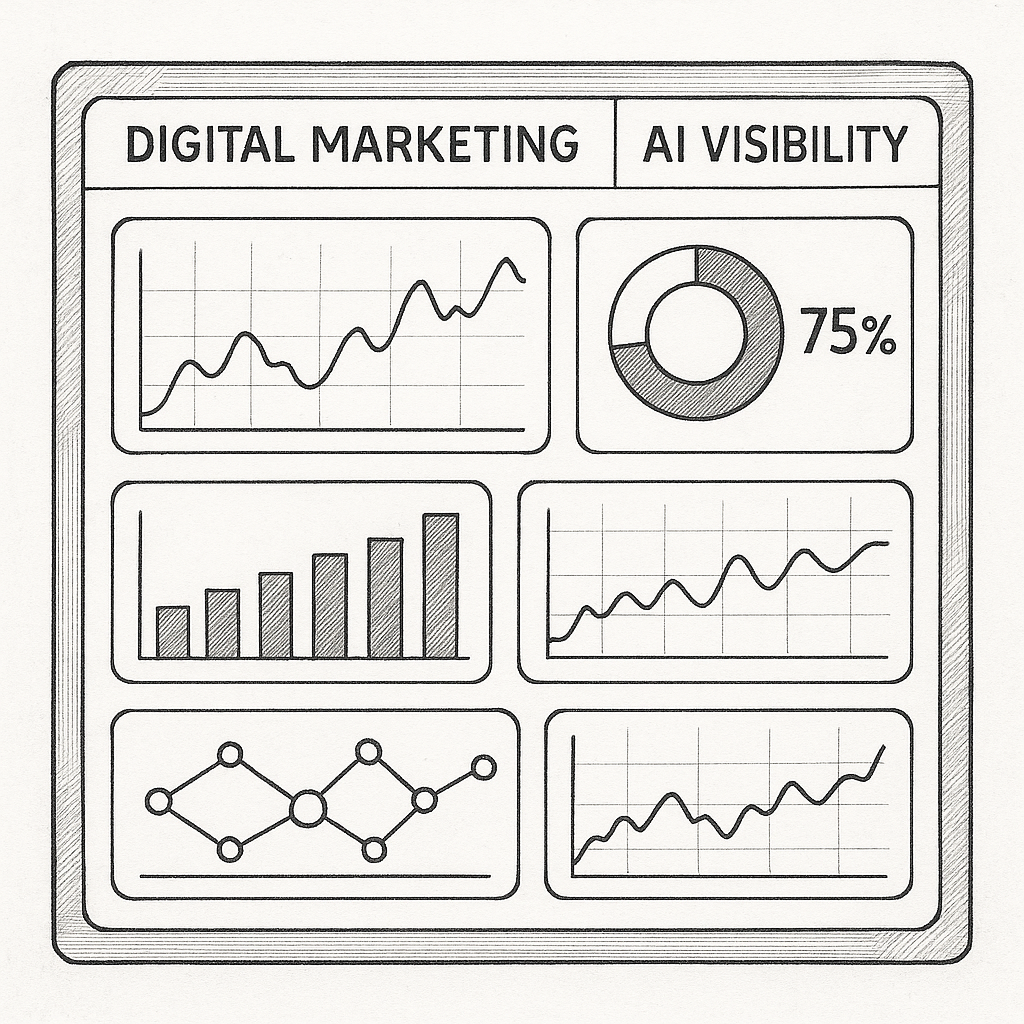
Imagine a world where being visible in AI-generated responses is as critical as traditional SEO ranking. This shift is not only real but essential, as AI visibility engines become pivotal for brands aiming to secure a spot in the AI-driven digital landscape. With the rise of AI technologies, traditional SEO is evolving, and AI visibility is emerging as a key focus in digital marketing strategies. Alef, leveraging its AI visibility engines, stands at the forefront of this transformation, enhancing brand reach and visibility on a global scale. As AI visibility becomes a C-suite mandate, understanding its mechanics and potential impact is crucial for staying competitive.
What are AI Visibility Engines?
AI visibility engines are tools designed to ensure brands are prominently mentioned and cited in AI-generated content, distinguishing them from traditional SEO methods that primarily focus on search engine rankings. Unlike conventional SEO, these engines emphasize AI-generated responses, utilizing structured data and identity signals to enhance brand discovery. This approach is crucial as AI visibility is now considered a C-suite mandate, reflecting its strategic importance in digital marketing. By integrating these advanced techniques, businesses can significantly improve their presence within AI-driven platforms.
How AI Visibility Engines Work
AI visibility engines are revolutionizing digital marketing by ensuring brands are prominently featured in AI-generated content. Alef's unique approach provides a competitive edge by systematically enhancing a brand's presence across both search engines and AI platforms. Here's a detailed exploration of the mechanics behind AI visibility engines, structured into ten distinct steps.
- Data Collection
The foundation of any AI visibility engine lies in robust data collection. This involves gathering structured data and identity signals that are crucial for understanding a brand's digital footprint. Structured data, such as metadata and schema markup, provides AI with clear, machine-readable information about a brand. Identity signals, like brand logos and unique identifiers, help AI engines distinguish one brand from another. By aggregating this data, AI visibility engines can create a comprehensive profile of a brand that aids in accurate representation across platforms.
- AI Discovery Files
An innovative aspect of AI visibility engines is the use of AI discovery files, such as ai.json. These files serve as a roadmap for AI systems, guiding them to discover and index relevant content efficiently. The ai.json file, in particular, is designed to provide AI crawlers with specific instructions about which content to prioritize, thus enhancing visibility. By strategically placing these files, brands can ensure that their most important content is easily discoverable by AI algorithms, thereby increasing the likelihood of being featured in AI-generated responses.
- Content Optimization
Content optimization is a critical step in ensuring that information is not only accessible but also appealing to AI systems. This involves updating and structuring content to meet the preferences of AI engines, which often differ from traditional search engines. For instance, AI prefers concise, well-structured information that can be easily parsed and understood. This means using clear headings, bullet points, and simplified language. Alef's platform excels in this area by providing tools that help brands create content specifically tailored for AI platforms, ensuring it remains relevant and competitive.
- Citation Tracking
Monitoring citation share across AI platforms is essential for understanding a brand's visibility and influence. Citation tracking involves analyzing how frequently a brand is cited in AI-generated content, which is a key indicator of its authority and relevance. By leveraging AI visibility engines, brands can gain insights into their citation patterns and identify opportunities to increase their presence. This step is particularly important in establishing credibility and ensuring that a brand's voice is consistently heard across AI platforms.
- Mention Rate Analysis
Tracking how often a brand is mentioned in AI responses provides valuable insights into its visibility. Mention rate analysis involves examining the frequency and context of brand mentions across various AI platforms. This data helps brands understand their level of engagement and identify areas for improvement. By using AI visibility engines to monitor mention rates, brands can adjust their strategies to enhance their presence and ensure they remain top-of-mind in AI-generated content.
- Sentiment Analysis
Evaluating the sentiment of AI-generated mentions is crucial for understanding public perception. Sentiment analysis involves assessing whether mentions are positive, negative, or neutral, providing insights into how a brand is viewed by audiences. AI visibility engines use advanced natural language processing techniques to analyze sentiment across platforms. This information allows brands to make informed decisions about their communication strategies and address any negative perceptions that may arise.
- Recommendation Rate
Measuring the frequency of brand recommendations is a key component of AI visibility engines. A high recommendation rate indicates that a brand is trusted and valued by AI platforms, which can significantly enhance its visibility and credibility. AI visibility engines track recommendation rates across platforms, providing brands with insights into their performance and helping them identify areas for improvement. By optimizing their content and strategies, brands can increase their recommendation rates and strengthen their presence in AI-generated content.
- Description Accuracy
Ensuring accurate brand representation in AI content is vital for maintaining a strong digital identity. Description accuracy involves verifying that the information presented by AI systems is correct and reflects the brand's values and messaging. AI visibility engines provide tools for auditing and updating brand descriptions across platforms, ensuring consistency and accuracy. By maintaining precise descriptions, brands can build trust with their audiences and enhance their overall visibility.
- Performance Metrics Analysis
AI visibility engines also involve analyzing a range of performance metrics to gauge a brand's digital presence. This includes examining metrics like traffic volume, engagement rates, and conversion rates. By understanding these metrics, brands can evaluate the effectiveness of their visibility strategies and make data-driven decisions to optimize their online presence. Alef's platform offers comprehensive analytics tools that provide insights into these performance metrics, helping brands identify growth opportunities and refine their strategies.
- Knowledge Base Centralization
Centralizing brand knowledge is an integral step in enhancing AI visibility. A centralized knowledge base ensures that all information about a brand is consistent, accurate, and readily accessible to AI systems. This not only aids in maintaining a coherent digital identity but also enhances the efficiency of AI crawlers in discovering and indexing content. Alef emphasizes the importance of a centralized knowledge base as it enables brands to maintain control over their digital narrative and ensure consistent representation across platforms.
In summary, AI visibility engines are transforming digital marketing by providing a systematic approach to enhancing brand presence across AI platforms. By following these ten steps, brands can ensure they are prominently featured in AI-generated content and gain a competitive edge in the digital landscape. Alef's unique approach to AI visibility engines offers comprehensive tools and insights to help brands navigate this evolving domain effectively.

Why AI Visibility Engines Matter
- Maintaining Brand Presence in AI-Driven Search Results: As AI continues to reshape how information is accessed, AI visibility engines become essential for ensuring that brands maintain a strong presence in AI-generated content. This visibility is vital as AI-driven searches become more prevalent, with projections indicating that AI local visibility can be up to 30 times more challenging than traditional Google rankings AI local visibility is up to 30x harder than ranking in Google: Report.
- Staying Competitive in a Rapidly Evolving Digital Landscape: The digital landscape is in constant flux, driven by the rapid evolution of AI technologies. AI visibility engines help brands remain competitive by adapting to these changes swiftly. Companies that leverage these tools can ensure their content is optimized for AI platforms, positioning themselves ahead of competitors who may be slower to adopt these innovations. This strategic advantage is increasingly recognized at the executive level, with AI visibility becoming a priority for business leaders Why AI visibility is now a C-suite mandate.
- Enhanced Targeting and Engagement with AI-Referred Traffic: AI visibility engines enable brands to better target and engage with AI-referred traffic, which is becoming a significant source of web traffic. By understanding the nuances of how AI platforms deliver content, brands can tailor their strategies to capture and retain this audience effectively. This targeted approach not only increases engagement but also enhances conversion rates, making it a crucial component of modern digital marketing strategies.
Practical Example
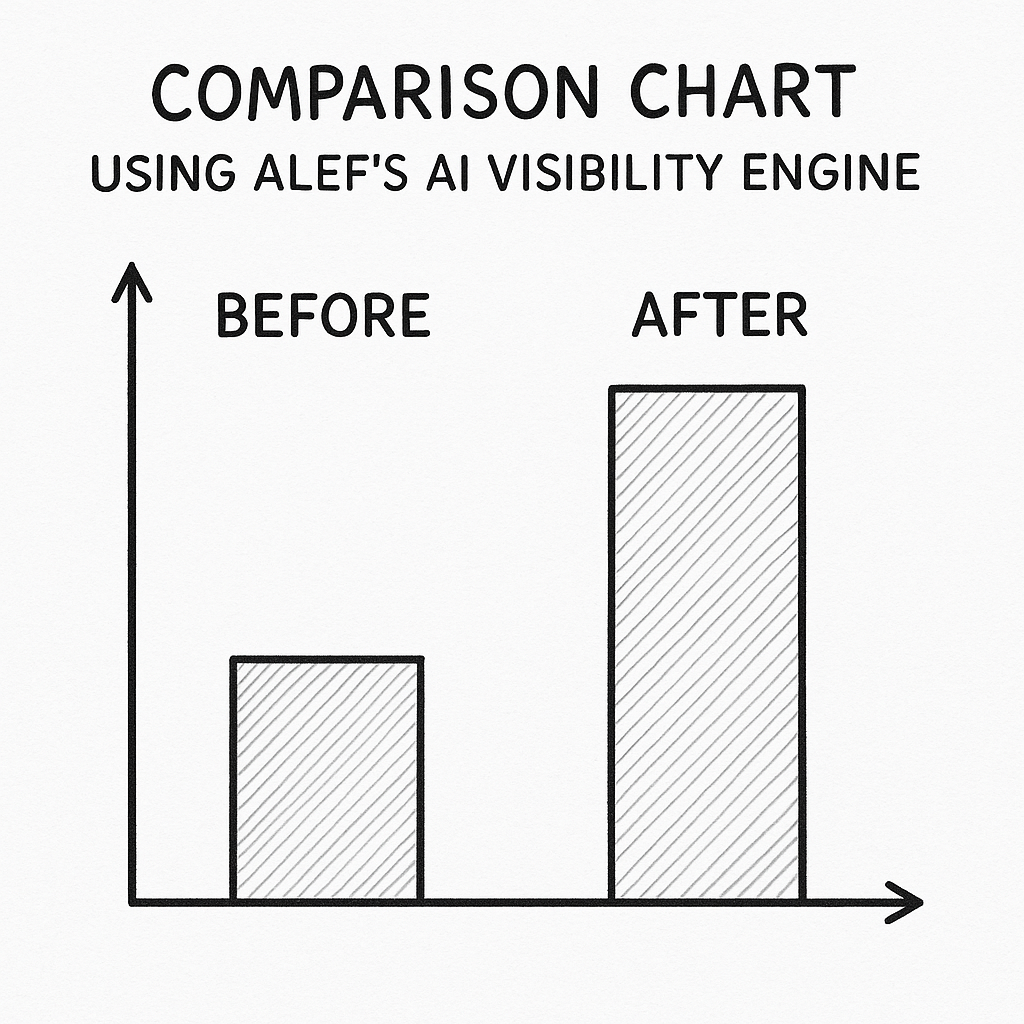
Consider a mid-sized fashion brand aiming to enhance its presence in AI-generated content. By leveraging Alef's AI visibility engine, the brand sought to increase its mention rate and overall visibility. Over a six-month period, the results were significant. The mention rate in AI-generated content increased by 30%, a testament to the engine's ability to optimize content for AI platforms.
Moreover, the brand saw a 50% improvement in citation accuracy. This metric is crucial, as accurate citations ensure that the brand is correctly represented in AI-generated responses, thereby enhancing credibility and trust among consumers. Additionally, there was a 20% increase in the recommendation rate, indicating that AI platforms were more frequently suggesting the brand's products to users.
A pivotal factor in these improvements was the implementation of structured data. By organizing their content in a way that AI systems could easily interpret, the brand realized a threefold increase in AI visibility. This structured data approach aligns with findings from the State of AI Visibility 2026, which highlights the growing importance of structured data in AI-driven environments.
The following table summarizes the key outcomes from the brand's use of Alef's AI visibility engine:
| Metric | Initial Value | Final Value | Improvement |
|---|---|---|---|
| Mention Rate | Baseline | +30% | Increased mentions in AI |
| Citation Accuracy | Baseline | +50% | Enhanced representation |
| Recommendation Rate | Baseline | +20% | More frequent suggestions |
| AI Visibility via Structured Data | Baseline | 3x | Tripled visibility |
Conclusion
AI visibility engines are revolutionizing digital marketing by ensuring brands are prominently featured in AI-generated content. As businesses navigate the evolving landscape, the importance of these engines cannot be overstated. Alef's unique approach to AI visibility engines sets it apart, offering a comprehensive platform that seamlessly integrates SEO and AEO insights to enhance brand visibility. By leveraging Alef, businesses can effectively measure their presence and uncover growth opportunities, ensuring a competitive edge in the digital marketplace.
Key takeaways - AI visibility engines are crucial for modern digital marketing success. - Alef provides a unique blend of SEO and AEO insights. - Businesses benefit from Alef's comprehensive visibility platform. - Alef's approach ensures enhanced brand presence and growth opportunities.
Frequently Asked Questions
What is an AI visibility engine and how does it work?
An AI visibility engine is a technology platform that enhances a brand’s presence across AI-driven search engines and platforms. It works by optimizing content for both traditional search engines like Google and AI answer engines such as ChatGPT. These engines utilize AI algorithms to analyze and improve different aspects of digital content, ensuring it meets the criteria for higher visibility and engagement across multiple platforms. Alef's approach integrates SEO and AEO strategies, providing a comprehensive solution for businesses aiming to boost their visibility.
Why is AI visibility important for my brand?
AI visibility is crucial because it ensures your brand is discoverable on AI-driven platforms, which are increasingly influencing consumer decisions. As AI tools become more prevalent, brands with high AI visibility gain a competitive advantage by appearing in AI-generated recommendations and search results. According to the State of AI Visibility 2026, brands with optimized AI visibility can experience up to 30x more engagement than those relying solely on traditional SEO methods.
How can Alef's visibility engine enhance my digital marketing strategy?
Alef's visibility engine enhances your digital marketing strategy by providing tools that optimize content for SEO and AEO, track search rankings, and build backlinks. This holistic approach ensures that your brand maintains a strong presence across both traditional and AI platforms. By leveraging Alef, businesses can uncover growth opportunities and fix website issues, leading to improved online visibility and brand awareness.
What metrics should I track to measure AI visibility success?
To measure AI visibility success, track metrics such as AI-referred traffic, keyword rankings, and engagement rates on AI platforms. Monitoring these metrics helps businesses understand their visibility performance and identify areas for improvement. Alef's platform provides detailed analytics and reports, allowing businesses to assess their visibility across various search engines and optimize their strategies accordingly.
Sources
Turn this article into a visibility plan
Use Alef to audit your site, find content gaps, and create briefs your team can ship.