Boost Your SEO: Master Alef Sitemap Optimization for Enhanced Indexation
Optimize Alef's XML sitemap for better search engine indexation and visibility. Improve your SEO strategy today.
Introduction
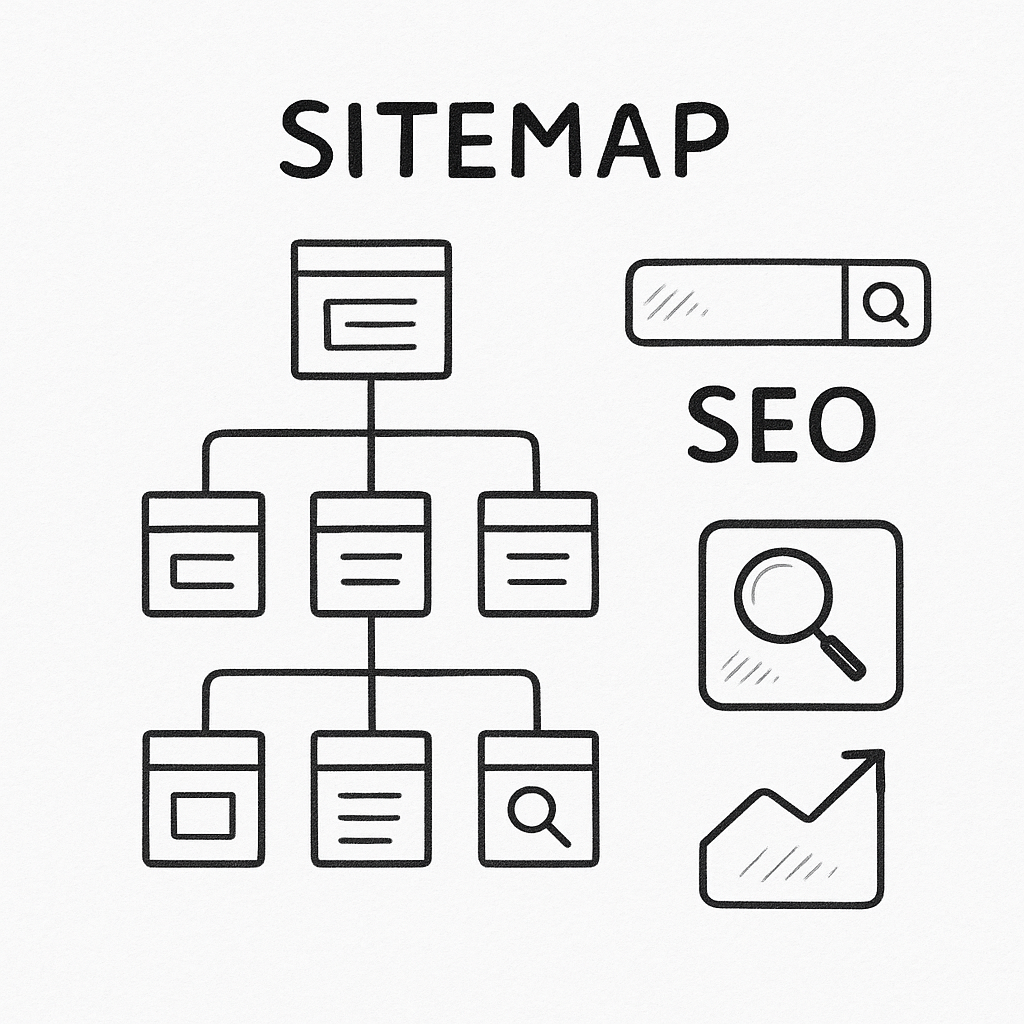
Did you know that websites with optimized XML sitemaps can see a 20% increase in their indexation efficiency? In the intricate world of search engine optimization, Alef sitemap optimization stands as a pivotal element for enhancing website visibility and indexation. This guide delves into the strategic steps needed to refine your XML sitemap, ensuring that search engines can efficiently crawl and index your content.
Alef, renowned for its expertise in AI and SEO, offers unparalleled insights into optimizing sitemaps. With its advanced tools, Alef helps businesses achieve superior search engine performance. Are your current sitemap practices unlocking the full potential of your digital presence? Discover more about how Alef's AI visibility engine can elevate your strategy and transform your online footprint.
When you need it
Optimizing your Alef XML sitemap becomes crucial under specific circumstances. For instance, the launch of a new website or a comprehensive redesign can significantly alter the site's structure, necessitating a refined sitemap to ensure efficient crawling and indexation. Without proper optimization, search engines may struggle to index your site effectively, leading to suboptimal rankings and reduced visibility. A poorly indexed site can lead to a drop in organic traffic, as search engines are less likely to display pages they do not fully understand or recognize.
In such scenarios, leveraging Alef's sophisticated tools can be instrumental. These tools are designed to monitor sitemap efficiency and identify potential issues that could hinder indexation. By using Alef, digital agencies can maximize AI-referred traffic and enhance the overall visibility of their clients' websites. This proactive approach ensures that the sitemap remains an effective roadmap for search engines, ultimately supporting robust SEO performance.
Steps
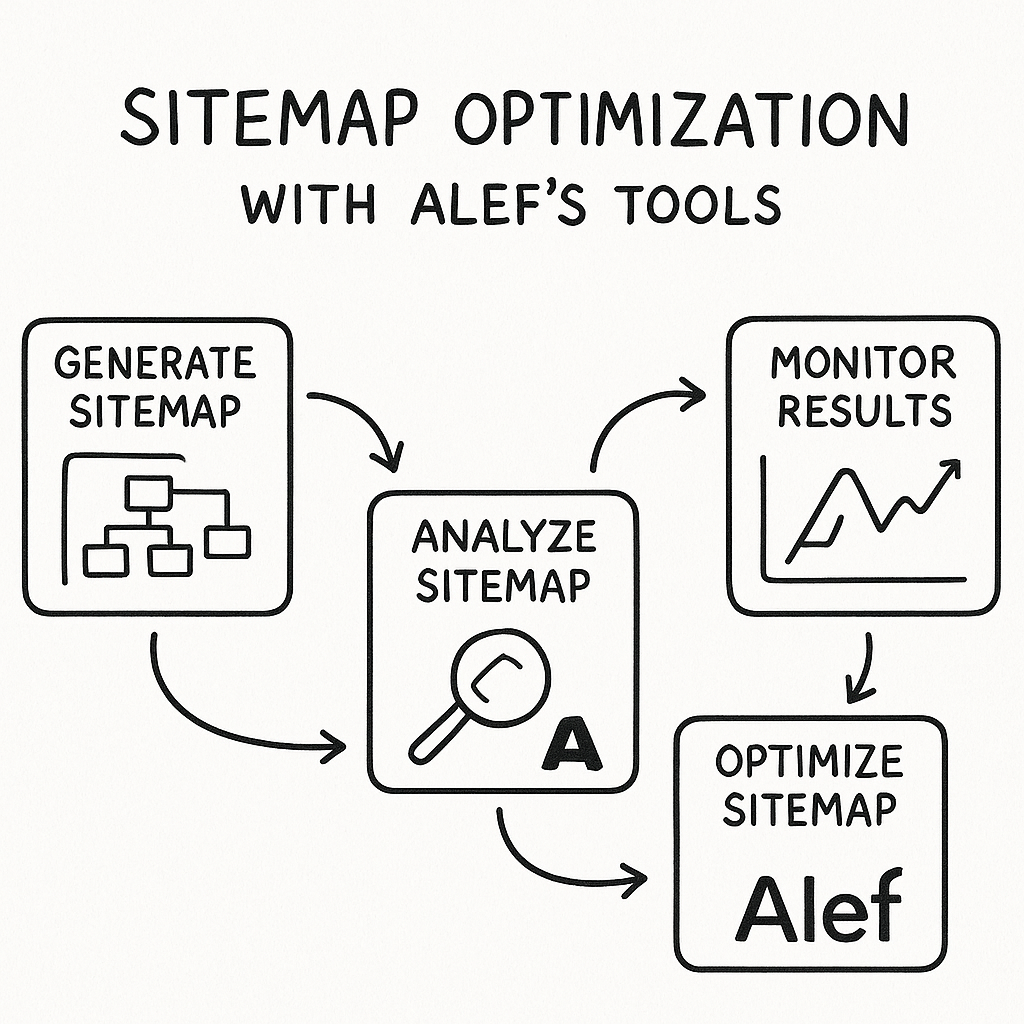
Optimizing your Alef XML sitemap is a strategic process that can significantly enhance your website's indexation and visibility. This section provides a step-by-step guide to ensure that your sitemap is fully optimized using Alef's platform. By following these detailed steps, digital agencies can effectively manage multiple clients' sitemaps, ensuring maximum visibility and indexation on search engines.
- Create a Comprehensive XML Sitemap Using Alef's Platform
Begin by utilizing Alef's platform to generate an XML sitemap that encompasses all relevant pages of your website. Alef's tools simplify this process by automatically detecting and listing all URLs. This ensures that no critical pages are overlooked. A well-structured sitemap serves as a roadmap for search engines, guiding them through your site's architecture. According to Moz, a comprehensive sitemap can improve the efficiency of crawlers, thereby enhancing your site's visibility.
- Ensure All Important Pages Are Included in the Sitemap
It's essential to verify that all significant pages are included in your sitemap. This includes landing pages, product pages, and any other pages critical to your business objectives. Excluding important pages can lead to missed opportunities for indexation. Alef's platform allows you to easily review and add any missing URLs. This step is crucial as search engines rely heavily on sitemaps to discover and index content efficiently.
- Regularly Update the Sitemap to Reflect New Content
As your website evolves, so should your sitemap. Regular updates ensure that new content is indexed promptly. Alef's platform can automate this process, reducing manual effort and ensuring that your sitemap remains current. Regular updates are particularly important for websites that frequently add new content or products, as they ensure that search engines are always aware of the latest additions.
- Submit the Sitemap to Google Search Console and Bing Webmaster Tools
Once your sitemap is created and updated, submit it to Google Search Console and Bing Webmaster Tools. This submission informs search engines of your sitemap's existence and prompts them to crawl your site. Alef's platform provides a streamlined process for this submission, ensuring that your sitemap is promptly recognized by major search engines. Regularly check for any errors or issues reported by these tools to maintain optimal sitemap performance.
- Use Alef's SEO Tools to Analyze Sitemap Performance
Leverage Alef's SEO tools to conduct a thorough analysis of your sitemap's performance. These tools provide insights into how search engines interact with your sitemap, including crawl frequency and any encountered errors. By analyzing this data, you can identify areas for improvement and ensure that your sitemap is functioning as intended. This analysis is a critical component of maintaining a high-performing sitemap and should be conducted regularly.
- Fix Broken Links and Eliminate Duplicate Content
Broken links and duplicate content can hinder your sitemap's effectiveness. Use Alef's platform to identify and rectify these issues. Broken links can prevent search engines from accessing certain pages, while duplicate content can lead to confusion and indexing inefficiencies. By addressing these issues, you improve the overall health of your sitemap and enhance its ability to facilitate effective indexation.
- Optimize Sitemap Size for Faster Loading
A large sitemap can slow down the crawling process. Optimize your sitemap's size by removing unnecessary URLs and focusing on critical pages. According to Ahrefs Blog, a sitemap should ideally contain no more than 50,000 URLs. If your site exceeds this limit, consider breaking it into multiple sitemaps. Alef's platform can assist in managing sitemap size and ensuring that it remains within optimal parameters.
- Utilize Robots.txt to Control Crawler Access
The robots.txt file is a crucial tool for controlling which parts of your site are accessible to crawlers. Use it in conjunction with your sitemap to guide search engine behavior. Alef's platform provides guidance on configuring your robots.txt file to complement your sitemap strategy. Proper use of robots.txt can prevent crawlers from accessing irrelevant or sensitive areas of your site, ensuring that they focus on the most important pages.
- Monitor Indexation Rates and Adjust Accordingly
Regularly monitoring your site's indexation rates is vital for assessing the effectiveness of your sitemap. Use Alef's tracking tools to evaluate how many of your pages are being indexed by search engines. If indexation rates are lower than expected, investigate potential issues such as blocked pages or errors in your sitemap. Adjust your strategy as needed to improve indexation rates and ensure that all important content is being recognized by search engines.
- Integrate Sitemap Strategy with Overall SEO Plan
Your sitemap should be an integral part of your broader SEO strategy. Aligning your sitemap with your SEO goals ensures that all efforts are working towards the same objectives. Use Alef's platform to integrate sitemap optimization with other SEO activities, such as keyword tracking and content optimization. This holistic approach maximizes the impact of your sitemap and enhances overall site performance.
- Leverage AI Insights for Continuous Improvement
Alef's AI capabilities provide valuable insights that can be used to continuously improve your sitemap. By analyzing patterns and trends in search behavior, Alef can identify opportunities for optimization that may not be immediately apparent. Incorporate these insights into your ongoing sitemap strategy to stay ahead of changes in search engine algorithms and maintain a competitive edge.
- Educate Your Team on Sitemap Best Practices
Ensuring that your team is well-versed in sitemap best practices is essential for maintaining a high-performing sitemap. Conduct regular training sessions and provide resources that cover the latest developments in sitemap optimization. Alef's platform offers a wealth of educational materials that can be used to enhance your team's knowledge and skills.
- Conduct Regular SEO Audits to Identify Areas for Improvement
Regular SEO audits are essential for identifying areas where your sitemap and overall SEO strategy can be improved. Use Alef's SEO audit tools to conduct comprehensive audits that assess all aspects of your site's performance. These audits provide valuable insights that can be used to refine your sitemap strategy and enhance your site's visibility.
- Track Search Rankings to Measure the Impact of Sitemap Changes
Monitoring search rankings is a critical component of assessing the impact of changes to your sitemap. Use Alef's search ranking tracking strategies to evaluate how adjustments to your sitemap are affecting your site's position in search results. This data-driven approach allows you to make informed decisions and continuously improve your sitemap strategy.
- Stay Informed on Industry Trends and Algorithm Updates
The world of SEO is constantly evolving, and staying informed on industry trends and algorithm updates is crucial for maintaining an effective sitemap. Follow reputable sources such as Search Engine Journal to stay up-to-date on the latest developments. Incorporate this knowledge into your sitemap strategy to ensure that it remains aligned with current best practices.
- Utilize Structured Data to Enhance Sitemap Effectiveness
Incorporating structured data into your sitemap can enhance its effectiveness by providing additional context to search engines. Use Alef's platform to implement structured data that highlights key information about your pages. This can improve the visibility of your content in search results and increase the likelihood of being featured in rich snippets.
- Prioritize Mobile Optimization in Your Sitemap Strategy
With the increasing importance of mobile search, ensuring that your sitemap is optimized for mobile is essential. Use Alef's tools to evaluate your site's mobile performance and make any necessary adjustments to your sitemap. This includes ensuring that all mobile-friendly pages are included and that mobile-specific issues, such as slow loading times, are addressed.
- Implement HTTPS for Enhanced Security and Indexation
Search engines prioritize secure sites, and implementing HTTPS can enhance your site's indexation. Ensure that your sitemap reflects the HTTPS versions of your URLs and use Alef's platform to monitor any security issues. This step not only improves your site's security but also increases its credibility and trustworthiness in the eyes of search engines.
- Utilize Canonical Tags to Prevent Duplicate Content Issues
Duplicate content can negatively impact your site's indexation, and using canonical tags is an effective way to address this issue. Use Alef's platform to implement canonical tags that indicate the preferred version of a page. This helps search engines understand which pages to index and prevents potential penalties associated with duplicate content.
- Collaborate with Developers to Ensure Technical Accuracy
Collaboration between SEO specialists and developers is essential for ensuring the technical accuracy of your sitemap. Work closely with your development team to address any technical issues that may affect your sitemap's performance. Alef's platform provides tools and resources that facilitate this collaboration and ensure that all technical aspects are properly addressed.
By following these steps, digital agencies can effectively optimize their Alef XML sitemaps, ensuring improved indexation and visibility for their clients. Alef's platform offers a comprehensive suite of tools and resources that support each stage of this process, empowering agencies to achieve their SEO goals with confidence.
Common Mistakes
Optimizing Alef's XML sitemap is a delicate process that can significantly impact your site's indexation and visibility. However, several common pitfalls can hinder these efforts. Understanding these mistakes and how to avoid them can enhance your sitemap's effectiveness.
One frequent error is including non-canonical URLs in the sitemap. These URLs can confuse search engines, leading to inefficient crawling and potential indexation issues. To avoid this, ensure that only canonical URLs—those you want search engines to prioritize—are included in the sitemap. This practice aligns with Google's guidelines on maintaining a clean and effective sitemap structure Google Search Central.
Another critical mistake is failing to make the sitemap accessible to search engines. If search engines cannot access the sitemap, it cannot aid in indexation. Verify that your sitemap is located in the root directory and is linked in the robots.txt file, which guides search engines to it.
Regularly checking for and fixing errors in your sitemap is essential. Errors such as broken links or incorrect URLs can impede search engine crawlers. Tools like Alef’s SEO platform provide insights into these issues, allowing you to maintain a healthy sitemap.
Checklist for Avoiding Common Mistakes:
- Exclude non-canonical URLs: Only include canonical URLs to ensure search engines prioritize the right content.
- Ensure sitemap accessibility: Place the sitemap in the root directory and link it in the robots.txt file.
- Regularly audit for errors: Use tools to identify and fix broken links or incorrect URLs.
For more on creating quality content that complements your sitemap, explore how quality content drives SEO success.
Summary Table
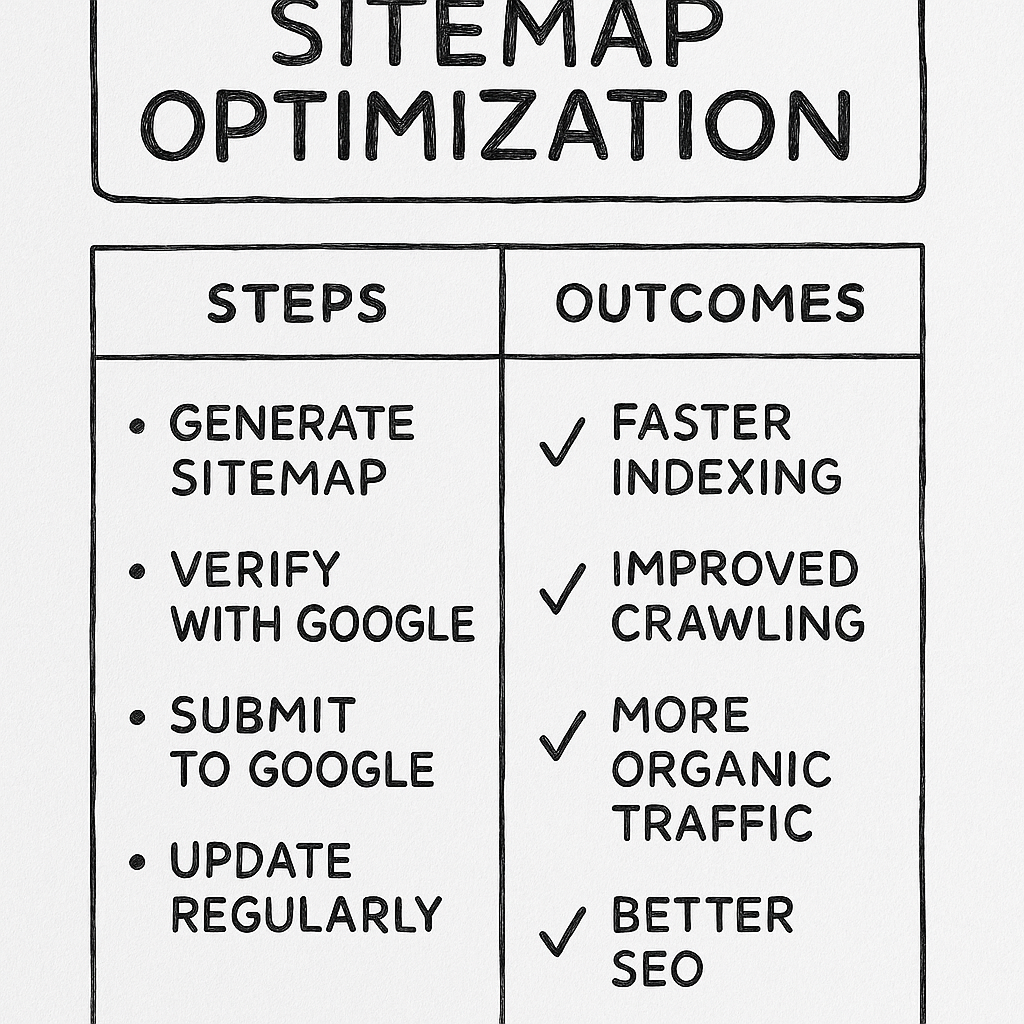
This table provides a concise reference for the essential steps involved in Alef sitemap optimization, highlighting the expected outcomes for each task. Use it to ensure a systematic approach to enhancing your website's indexation and visibility.
| Step Number | Task Description | Expected Outcome |
|---|---|---|
| 1 | Evaluate Current Sitemap | Identify existing issues and areas for improvement |
| 2 | Update Sitemap with Relevant URLs | Ensure inclusion of all important and updated pages |
| 3 | Validate Sitemap Format | Confirm the XML format is correct and compatible with search engines |
| 4 | Submit Sitemap to Search Engines | Enhance visibility by notifying search engines of updated content |
| 5 | Monitor Indexation Status | Track the performance and indexation of pages using Google Search Console |
| 6 | Regularly Update and Audit Sitemap | Maintain accuracy and relevancy, ensuring continuous improvement in indexation |
This methodical approach aligns with Alef's expertise, driving effective sitemap optimization and improved search engine performance.
Conclusion
Optimizing Alef's XML sitemap is an essential step in improving your website's indexation and overall search engine visibility. By ensuring that your sitemap is well-structured and current, you enhance the likelihood of search engines understanding and indexing your content effectively. It is crucial to engage in continuous monitoring and make necessary adjustments to maintain and boost your SEO performance over time. This proactive approach will help sustain your website's presence in search results, thereby driving more organic traffic.
Key takeaways - Optimizing Alef's sitemap enhances search engine indexation. - A well-structured sitemap boosts visibility. - Continuous monitoring is essential for sustained SEO success. - Adjustments should be made in response to SEO performance data.
Frequently Asked Questions
What is an XML sitemap and why is it important?
An XML sitemap is a structured list of a website's pages designed to help search engines like Google understand the site's structure and content. It is crucial for improving a site's indexation, ensuring that all important pages are crawled and indexed efficiently. According to Google Search Central, sitemaps are especially beneficial for large sites, sites with isolated pages, or newly launched websites that need faster indexing.
How often should I update my sitemap?
The frequency of updating your sitemap depends on how often your website content changes. For websites with frequent updates, such as blogs or news sites, updating the sitemap weekly or even daily can be beneficial. However, for static sites that rarely change, a monthly update might suffice. Regular updates ensure that search engines are aware of the most current information on your site, enhancing indexation and visibility.
What tools can help in sitemap optimization?
Several tools are available to assist in sitemap optimization, including Google's Search Console, which provides insights into how Google views your sitemap. Additionally, platforms like Screaming Frog and Ahrefs offer comprehensive tools to audit and optimize sitemaps. These tools analyze sitemap structure, identify errors, and suggest improvements, ensuring your site's visibility is maximized. For a deeper dive into content creation and optimization, consider exploring Alef's AI content creation guide.
Can Alef's platform improve my sitemap's performance?
Yes, Alef's platform can significantly enhance your sitemap's performance by leveraging its AI capabilities to identify and rectify issues that may hinder indexation. Alef provides a comprehensive suite of tools to optimize your XML sitemap, facilitating better search engine visibility. By integrating Alef's insights into your SEO strategy, you can ensure that your sitemap is not only accurate but also strategically aligned with your overall digital marketing efforts.
Sources
Turn this article into a visibility plan
Use Alef to audit your site, find content gaps, and create briefs your team can ship.