Mastering Content Strategy for AI: A 10-Step Guide to Boost Your SEO
Learn how to create a content strategy for AI that enhances SEO and drives business growth.

Introduction
Did you know that 73% of marketers now incorporate generative AI tools into their strategies? This remarkable statistic highlights the shifting landscape of digital marketing, where the importance of a robust content strategy for AI is becoming increasingly apparent. In this guide, you'll discover how to harness AI to enhance your SEO and drive business growth. Alef, a leading AI visibility engine, plays a pivotal role in this transformation by optimizing SEO and AEO efforts, ensuring your content reaches its full potential. With AI's growing influence, integrating it into content strategies is no longer optional but essential for staying competitive. Learn more about the role of an AI visibility engine and how it can elevate your digital strategy.
When you need it
A content strategy for AI becomes indispensable in scenarios such as launching a new product or entering a competitive market. In these situations, leveraging AI tools can provide a significant edge by personalizing content to meet the specific needs and preferences of target audiences, thereby enhancing user engagement. For instance, a study by MarTech shows that 73% of marketers are already utilizing generative AI tools to refine their strategies and improve performance metrics.
AI's ability to streamline content creation and distribution is another critical advantage. By automating repetitive tasks and optimizing content delivery, AI tools can significantly reduce time and resource expenditure. Alef's expertise in boosting SEO with AI tools further illustrates how AI can enhance digital strategies by improving search visibility and driving business growth. Through these capabilities, AI not only simplifies the content management process but also ensures that content reaches the right audience at the right time, maximizing impact and ROI.
Steps
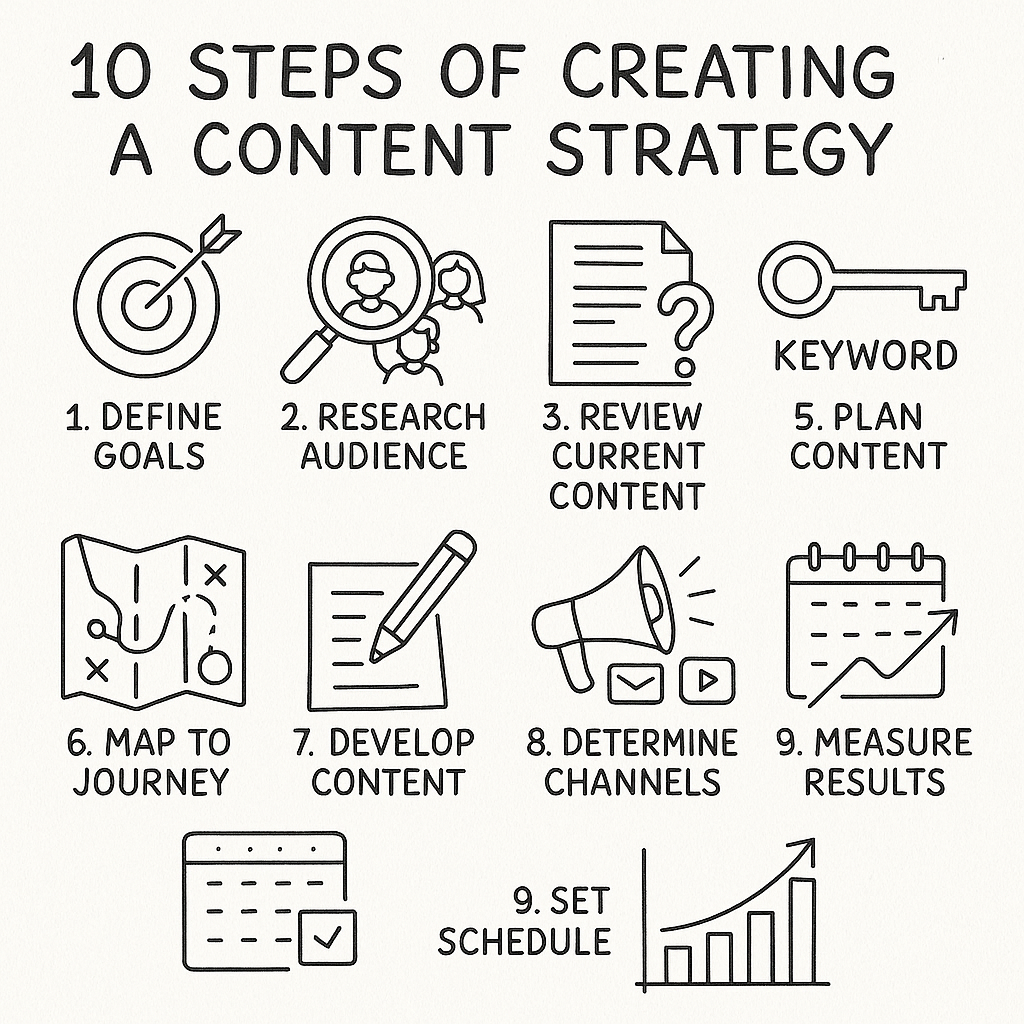
Creating a content strategy for AI is a multifaceted process that requires careful planning and execution. By following these steps, digital marketers can leverage AI to enhance SEO, drive business growth, and align their strategies with business goals. Alef's platform, with its AI-powered visibility tools, provides a strong foundation for executing these steps effectively.
- Define Objectives: Align AI Content Strategy with Business Goals
The first step in creating a content strategy for AI is to clearly define the objectives. This involves aligning the AI content strategy with the overarching business goals. For instance, if a company aims to increase its market share by 15% over the next year, the content strategy should focus on creating content that attracts new customers and engages existing ones. This alignment ensures that every piece of content contributes to the broader business objectives. To achieve this, digital marketers must conduct a thorough analysis of the company's goals and determine how AI-driven content can support these objectives. By setting clear, measurable goals, businesses can track progress and make data-driven decisions.
- Analyze Audience: Use AI Tools to Understand Audience Behavior and Preferences
Understanding the target audience is crucial for any content strategy. AI tools can provide deep insights into audience behavior and preferences, allowing marketers to create content that resonates with their audience. Tools like sentiment analysis and predictive analytics can identify trends and patterns in consumer behavior. For example, AI can analyze social media interactions to determine which topics are gaining traction and which are losing interest. By leveraging these insights, marketers can tailor their content to meet the evolving needs of their audience, enhancing engagement and driving conversions. A report by Ahrefs highlights how AI can significantly improve audience understanding, leading to more effective content strategies.
- Select AI Tools: Choose the Right AI Tools for Content Creation and Optimization
Selecting the appropriate AI tools is a critical step in the content strategy process. With a plethora of AI tools available, it is essential to choose those that best fit the specific needs of the business. For content creation, tools like GPT-3 can generate high-quality content efficiently. For optimization, AI tools that focus on keyword analysis and SEO enhancements are invaluable. When selecting tools, consider factors such as ease of integration, scalability, and the specific features that align with the company's content goals. According to MarTech, 73% of marketers now use generative AI tools, underscoring their growing importance in content strategies.
- Create Content Calendar: Plan Content Distribution Using AI Analytics
A content calendar is an essential component of any content strategy. AI analytics can help in planning and scheduling content distribution to maximize reach and impact. By analyzing data on audience engagement and peak activity times, AI can suggest optimal posting schedules. This ensures that content is published when the target audience is most active, increasing the likelihood of engagement. Additionally, AI can help identify content gaps and suggest topics that align with current trends. A well-structured content calendar not only streamlines the content creation process but also ensures consistency and coherence in messaging.
- Develop Content: Use AI to Generate and Refine Content
AI-powered tools can significantly enhance the content development process. These tools can generate content ideas, draft articles, and even refine existing content to improve readability and engagement. For example, AI can analyze existing content to identify areas for improvement, such as sentence structure or keyword usage. By automating these tasks, marketers can focus on creating high-quality content that aligns with their strategic objectives. It's important to note that while AI can aid in content development, human oversight is crucial to ensure that the content aligns with brand voice and messaging. Google's guidance on AI-generated content emphasizes the importance of maintaining content quality and relevance.
- Optimize for SEO: Implement AI-Driven SEO Strategies
Optimizing content for SEO is a critical step in enhancing online visibility. AI-driven SEO strategies can automate and enhance various aspects of SEO, from keyword research to link building. AI tools can analyze search engine algorithms and suggest optimizations to improve search rankings. For example, AI can identify high-performing keywords and suggest content adjustments to improve relevance and ranking. Additionally, AI can monitor search engine trends and adjust strategies in real-time to maintain competitive advantage. Alef's expertise in boosting SEO with AI provides valuable insights into how businesses can leverage AI for SEO success.
- Distribute Content: Leverage AI for Targeted Content Distribution
Effective content distribution is key to reaching the target audience. AI can enhance content distribution by targeting specific audience segments based on their preferences and behaviors. For instance, AI can analyze user data to identify the most effective channels for content distribution, such as social media platforms or email newsletters. By targeting content distribution, businesses can maximize reach and engagement, leading to higher conversion rates. AI can also automate distribution processes, ensuring that content reaches the right audience at the right time.
- Monitor Performance: Use AI Analytics to Track Content Performance
Monitoring content performance is essential for evaluating the effectiveness of a content strategy. AI analytics can provide real-time insights into content performance, allowing marketers to make data-driven decisions. Key performance indicators (KPIs) such as engagement rates, conversion rates, and traffic sources can be tracked and analyzed using AI tools. This data can highlight areas of success and identify opportunities for improvement. By continuously monitoring performance, businesses can refine their content strategies to achieve better results. Alef's platform offers comprehensive analytics tools that provide valuable insights into content performance and quality content for SEO success.
- Refine Tactics: Continuously Improve Content Strategy with AI Insights
A successful content strategy is not static; it requires continuous refinement and improvement. AI insights can help marketers identify areas for improvement and adjust tactics accordingly. By analyzing performance data and audience feedback, AI can suggest changes to content strategies that enhance effectiveness. For example, if a particular type of content consistently underperforms, AI can analyze the underlying factors and suggest alternative approaches. This iterative process ensures that content strategies remain relevant and effective in a dynamic digital landscape.
- Ensure Compliance: Adhere to AI and Content Guidelines
Compliance with industry guidelines and regulations is crucial when using AI in content strategies. This includes adhering to guidelines set by search engines and regulatory bodies regarding AI-generated content. For instance, Google's guidelines on AI content emphasize the importance of transparency and quality. Marketers must ensure that their AI-driven content strategies comply with these guidelines to avoid penalties and maintain credibility. This involves staying informed about the latest regulations and industry standards and incorporating them into the content strategy.
- Leverage AI for Personalization: Tailor Content to Individual Preferences
Personalization is a powerful tool in content marketing, and AI can enhance personalization efforts by tailoring content to individual preferences. AI algorithms can analyze user data to deliver personalized content experiences, increasing engagement and conversion rates. For example, AI can recommend content based on a user's past interactions, preferences, and behaviors. By delivering personalized content, businesses can build stronger relationships with their audience and improve customer satisfaction.
- Integrate AI with Other Marketing Channels: Create a Cohesive Strategy
Integrating AI-driven content strategies with other marketing channels is essential for creating a cohesive and effective marketing strategy. AI can analyze data from various channels, such as social media, email marketing, and paid advertising, to provide a holistic view of marketing performance. By integrating these insights, marketers can create a unified strategy that leverages the strengths of each channel. This integration ensures that marketing efforts are aligned and that content is consistently delivered across all touchpoints.
- Evaluate AI Tool Performance: Regularly Assess AI Tools for Effectiveness
Regular evaluation of AI tools is necessary to ensure their effectiveness in the content strategy. This involves assessing the performance of AI tools in terms of accuracy, efficiency, and alignment with business goals. If an AI tool is not delivering the desired results, it may be necessary to explore alternative solutions or adjust the tool's parameters. Regular evaluation ensures that AI tools remain an asset to the content strategy and continue to deliver value over time.
By following these steps, digital marketers can create a robust content strategy for AI that enhances SEO, drives business growth, and aligns with business objectives. Alef's AI-powered visibility platform provides the tools and insights necessary to execute these steps effectively, ensuring that businesses can achieve their content marketing goals.
Common Mistakes
In developing a content strategy for AI, digital marketers frequently encounter pitfalls that can undermine their efforts. Avoiding these common mistakes is crucial for achieving effective results.
One prevalent error is the over-reliance on AI. While AI tools can automate and enhance many aspects of content creation, they should not replace human creativity and strategic thinking. Balancing AI-generated insights with human input ensures that content remains engaging and relevant. According to MarTech, 73% of marketers are now using generative AI tools, highlighting the importance of integrating these tools thoughtfully.
Another significant mistake is ignoring data privacy. As AI applications often involve processing large amounts of data, it's essential to ensure compliance with data protection regulations such as GDPR. Failing to do so can lead to legal issues and damage to brand reputation. Marketers must be vigilant in safeguarding user information and maintaining transparency in data usage.
Lastly, neglecting content quality can severely impact SEO and audience engagement. AI-generated content must meet high-quality standards to be effective. Google's guidance on AI-generated content emphasizes maintaining quality and relevance. Incorporating human review processes can help ensure that content aligns with brand voice and audience expectations.
For more insights on enhancing AI-driven content creation, see Alef's detailed AI content creation guide.
Checklist
- Balance AI with human creativity: Use AI tools to enhance, not replace, human-driven content strategies.
- Ensure data privacy compliance: Adhere to regulations to protect user data and maintain trust.
- Maintain content quality: Implement rigorous review processes to ensure AI-generated content meets high standards.
Summary Table
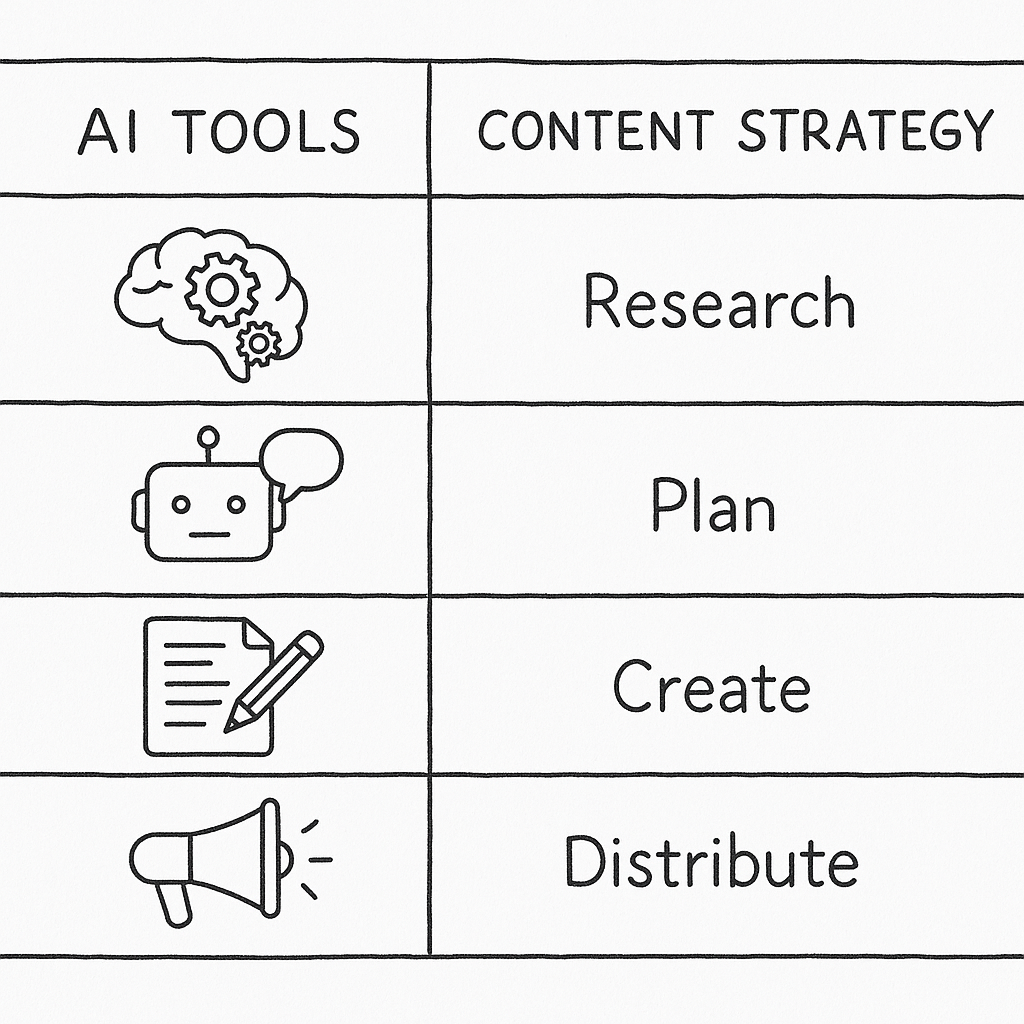
The following table provides a concise overview of the 10-step process for creating a content strategy for AI, detailing the expected outcomes at each stage and the specific role of AI tools in enhancing each step.
| Step Number | Description | Expected Outcome | Role of AI Tools |
|---|---|---|---|
| 1 | Define Objectives | Clear goals for content strategy | AI tools assist in setting measurable KPIs through data analysis. |
| 2 | Audience Analysis | Detailed audience personas | AI-driven analytics provide insights into audience behavior and preferences. |
| 3 | Content Audit | Identification of content gaps | AI tools automate the audit process, revealing performance metrics of existing content. |
| 4 | Competitive Analysis | Understanding of competitive landscape | AI applications analyze competitors' content strategies to identify opportunities and threats. |
| 5 | Keyword Research | Comprehensive keyword list | AI-powered keyword tools generate data-driven keyword suggestions. |
| 6 | Content Ideation | Innovative content ideas | Generative AI tools aid in brainstorming and developing unique content concepts MarTech. |
| 7 | Content Creation | High-quality, SEO-optimized content | AI writing tools enhance content creation efficiency and quality ContentWriters blog. |
| 8 | Content Distribution | Effective content dissemination | AI platforms optimize distribution channels based on audience engagement patterns. |
| 9 | Performance Measurement | Accurate assessment of content success | AI analytics provide real-time performance data, enabling quick adjustments. |
| 10 | Continuous Improvement | Ongoing refinement of content strategy | AI tools facilitate iterative improvements by analyzing feedback and performance over time. |
This structured approach, supported by Alef's AI visibility engine, ensures a robust and effective content strategy that aligns with current digital marketing trends.
Conclusion
Integrating AI into your content strategy is no longer optional; it is essential for staying competitive in the digital landscape. By leveraging AI tools, marketers can enhance their SEO efforts and drive significant business growth. Alef plays a pivotal role in this transformation, offering a comprehensive platform that empowers businesses to optimize their AI-driven content strategies effectively. For a deeper understanding of how Alef outperforms other AI platforms in SEO, explore this detailed comparison with Jasper.
Key takeaways - AI integration is crucial for modern content strategies. - Alef provides tools that enhance AI-driven content effectiveness. - AI tools are used by 73% of marketers for content creation source.
Frequently Asked Questions
What is a content strategy for AI?
A content strategy for AI involves integrating artificial intelligence into the planning, creation, and distribution of content to enhance its effectiveness and reach. AI can analyze vast amounts of data to identify trends, predict audience behavior, and personalize content delivery, making it a powerful tool for digital marketers. By leveraging AI, businesses can create more targeted and relevant content, ultimately boosting engagement and driving business growth.
How can AI improve SEO?
AI can significantly enhance SEO by optimizing content for search engines through advanced data analysis and machine learning algorithms. AI tools can identify the most effective keywords, analyze search trends, and even predict changes in search engine algorithms. This enables marketers to adapt their strategies proactively, ensuring higher search rankings and increased visibility. For more insights on search ranking strategies, explore our detailed search ranking tracking strategies article.
What are the best AI tools for content creation?
The best AI tools for content creation offer features like natural language processing, automated editing, and predictive analytics. These tools help in generating high-quality content quickly and efficiently, allowing marketers to focus on strategy and creativity. Popular features include AI-generated drafts, content optimization suggestions, and audience analysis reports. These capabilities empower marketers to produce content that resonates with their target audience and aligns with SEO goals.
How does Alef support AI-driven content strategies?
Alef supports AI-driven content strategies by providing a comprehensive platform that enhances SEO and AEO (Answer Engine Optimization). Alef's tools help businesses monitor their online visibility, optimize content, and address website issues, ensuring a robust digital presence. The platform's centralized Knowledge Base further personalizes outputs, maintaining brand consistency across various channels. By integrating AI into every aspect of content strategy, Alef empowers businesses to maximize their reach and effectiveness.
Sources
- AI in Content Marketing by Ahrefs
- 73% of marketers now using generative AI tools (MarTech)
- AI Content Marketing & Writing: Trends, Use Cases, & Limitations (ContentWriters blog)
- Google's guidance on AI-generated content
- How AI search is shifting brand visibility from SEO to data verification (TechRadar)
Turn this article into a visibility plan
Use Alef to audit your site, find content gaps, and create briefs your team can ship.